Gilgit Baltistan is Pakistan’s crown jewel of natural beauty. Tucked in the far north where the Karakoram, Hindukush, and Himalayan mountain ranges converge, this remote region is home to some of the most dramatic landscapes on earth. From turquoise lakes and glacial rivers to ancient forts and high-altitude meadows, Gilgit Baltistan offers experiences that simply cannot be found anywhere else on the planet.
Whether you are a trekker chasing high-altitude trails, a history enthusiast exploring Silk Road heritage, or a traveler simply seeking jaw-dropping views, Gilgit Baltistan delivers on every level. This guide covers the best places to visit in Gilgit Baltistan, helping you plan the perfect trip to Pakistan’s most spectacular region.
1. Hunza Valley
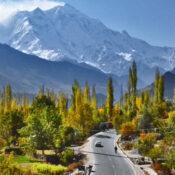
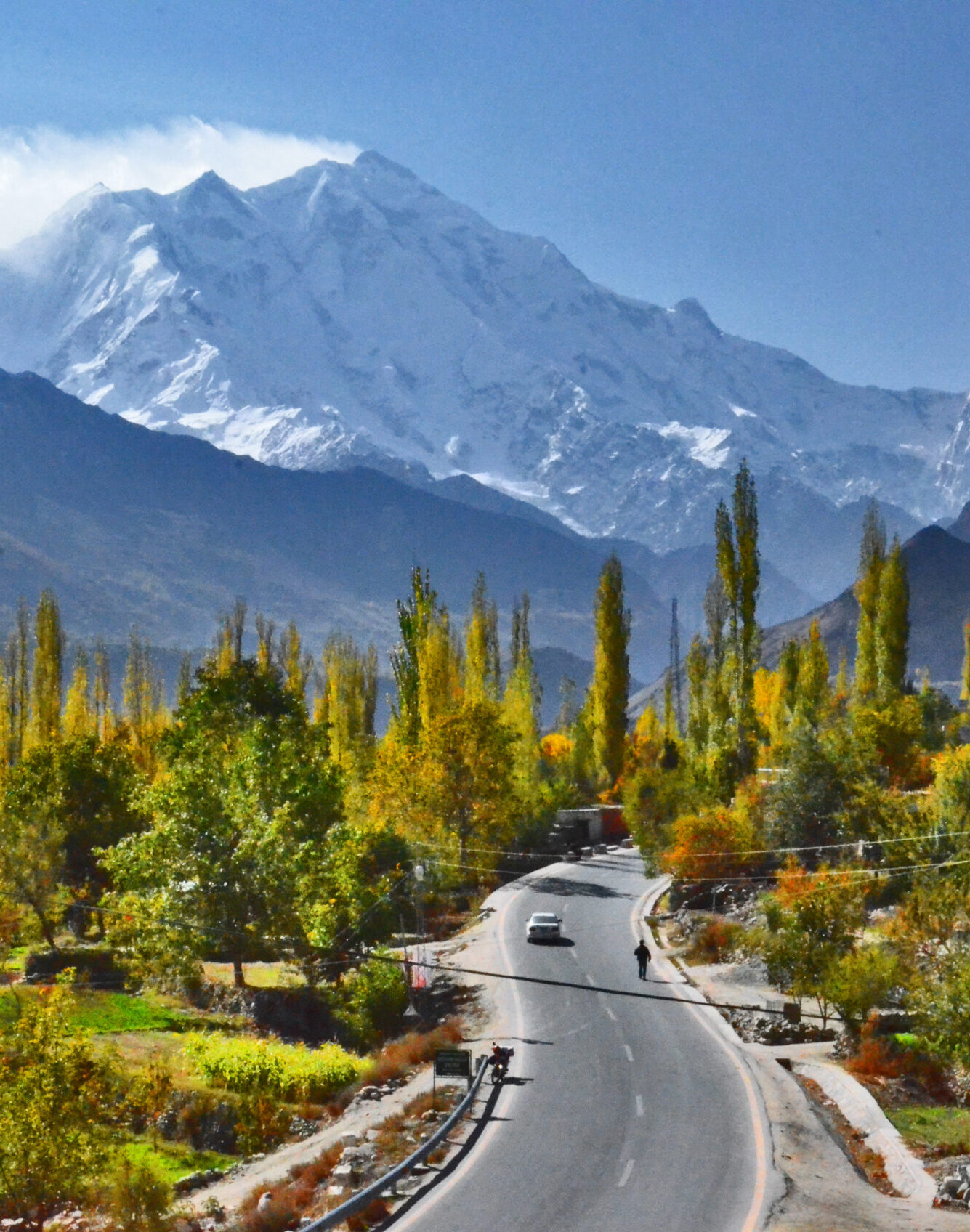
Hunza Valley is undoubtedly one of the most beautiful places in Gilgit Baltistan and arguably in all of Asia. Nestled at an altitude of approximately 2,500 meters above sea level, the valley is framed by towering snow-capped peaks including Rakaposhi (7,788m), Ultar Sar, and Bojahagur Duanasir. The Hunza River carves its way through the valley floor, and terraced apricot, cherry, and apple orchards climb the slopes in every direction.
The town of Karimabad serves as the main hub of Hunza Valley. From here you can explore the iconic Baltit Fort, stroll through the bustling bazaar, or simply sit at a rooftop cafe and absorb the extraordinary mountain panorama. Hunza is also famous for its exceptionally warm and hospitable people, whose culture and traditions have been shaped by centuries of Silk Road trade.
Spring (April to May) transforms Hunza into a canvas of pink and white as thousands of fruit trees burst into bloom. Autumn (October to November) paints the valley in brilliant gold and orange. Both seasons attract photographers and nature lovers from around the world.
- Best time to visit: April to May (blossom) and October to November (autumn foliage)
- Key attractions: Karimabad, Baltit Fort, Altit Fort, Attabad Lake, Eagle’s Nest viewpoint
- Distance from Islamabad: Approximately 600 km via Karakoram Highway
2. Skardu
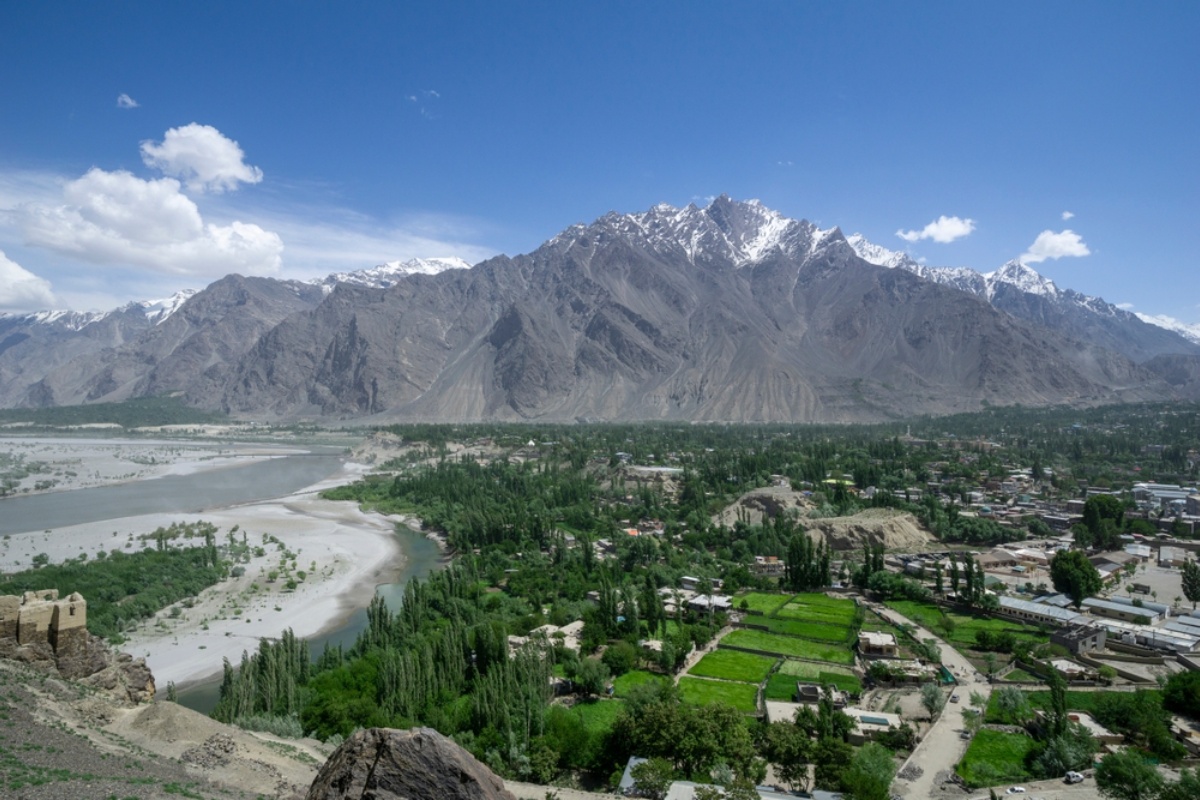
Skardu is the gateway to some of the world’s highest peaks, including K2, the second highest mountain on earth. Situated at an elevation of around 2,230 meters in the Indus Valley, Skardu is the administrative capital of Baltistan and serves as the base camp for expeditions to K2, Broad Peak, the Gasherbrums, and Masherbrum.
Beyond mountaineering, Skardu is a treasure trove of natural wonders. The wide valley is bordered by massive rock formations, and the Indus River adds a dramatic silver ribbon through the landscape. Upper and Lower Kachura Lakes, also known as Shangrila Resort Lakes, offer some of the most surreal scenery in the region with crystal-clear turquoise water reflecting the mountains above.
Skardu town has developed rapidly as a tourist destination, now offering comfortable hotels, restaurants, and air connectivity to Islamabad via PIA and other carriers. The famous Katpana Cold Desert, the world’s highest cold desert, sits just outside town and is a must-visit for its sand dunes set against a backdrop of snowfields.
- Best time to visit: May to October
- Key attractions: Kachura Lakes, Shangrila Resort, Kharpocho Fort, Katpana Desert, K2 base camp treks
- How to reach: By air from Islamabad (55 minutes) or by road via Karakoram Highway (18-20 hours)
3. Deosai National Park
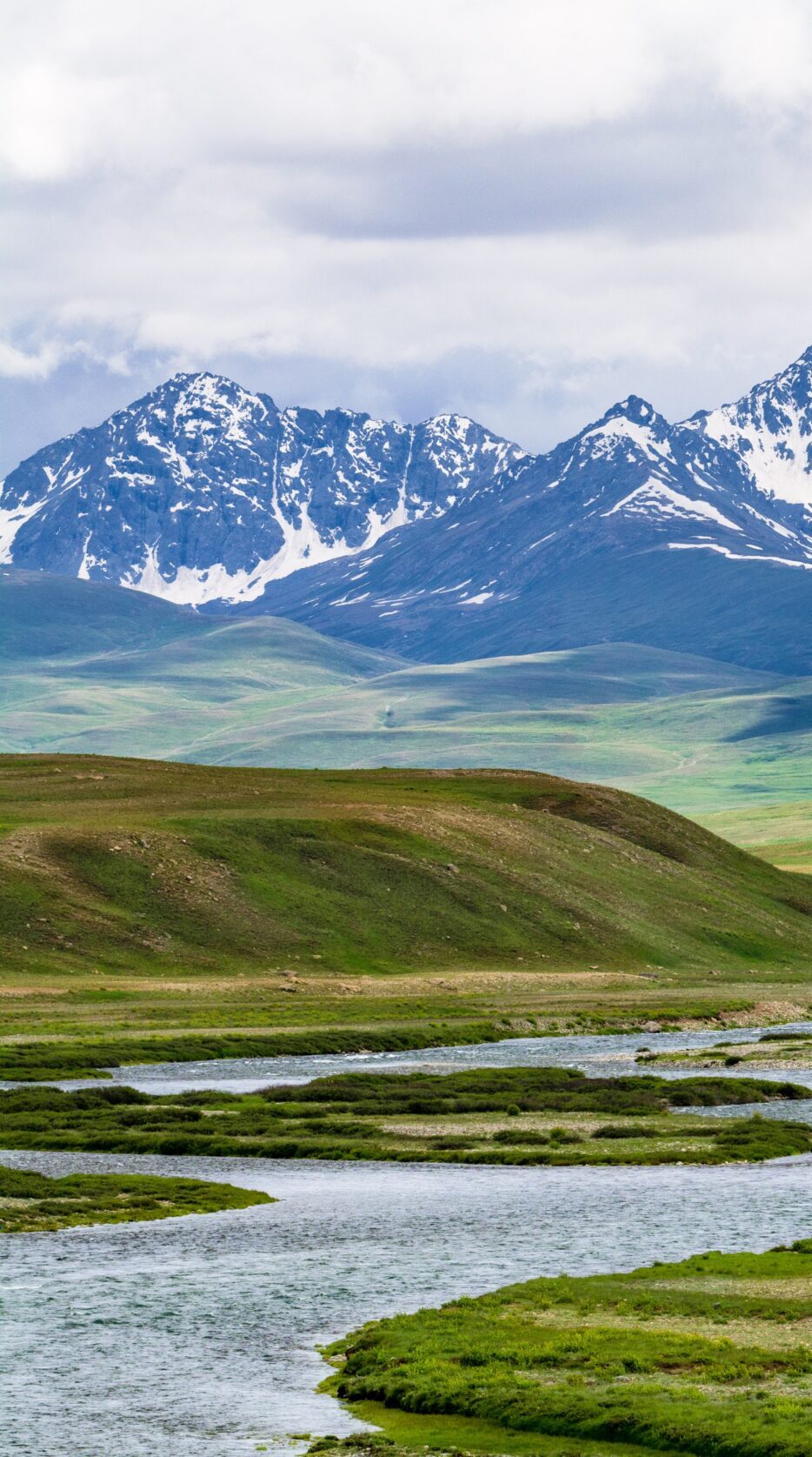
Deosai National Park is one of the most extraordinary landscapes in the world. Known as the “Land of Giants,” this high-altitude plateau stretches over 3,000 square kilometers at an average elevation of 4,114 meters above sea level, making it the second highest plateau on earth after the Tibetan Plateau. During summer, the entire expanse transforms into a vast carpet of wildflowers, with rivers, lakes, and wetlands scattered across the rolling hills.
Deosai is one of Pakistan’s most important wildlife sanctuaries. It is home to the endangered Himalayan brown bear, snow leopard, red fox, Tibetan wolf, golden eagle, and hundreds of migratory bird species. The park was established primarily to protect the brown bear population, which has recovered significantly since the 1990s thanks to conservation efforts.
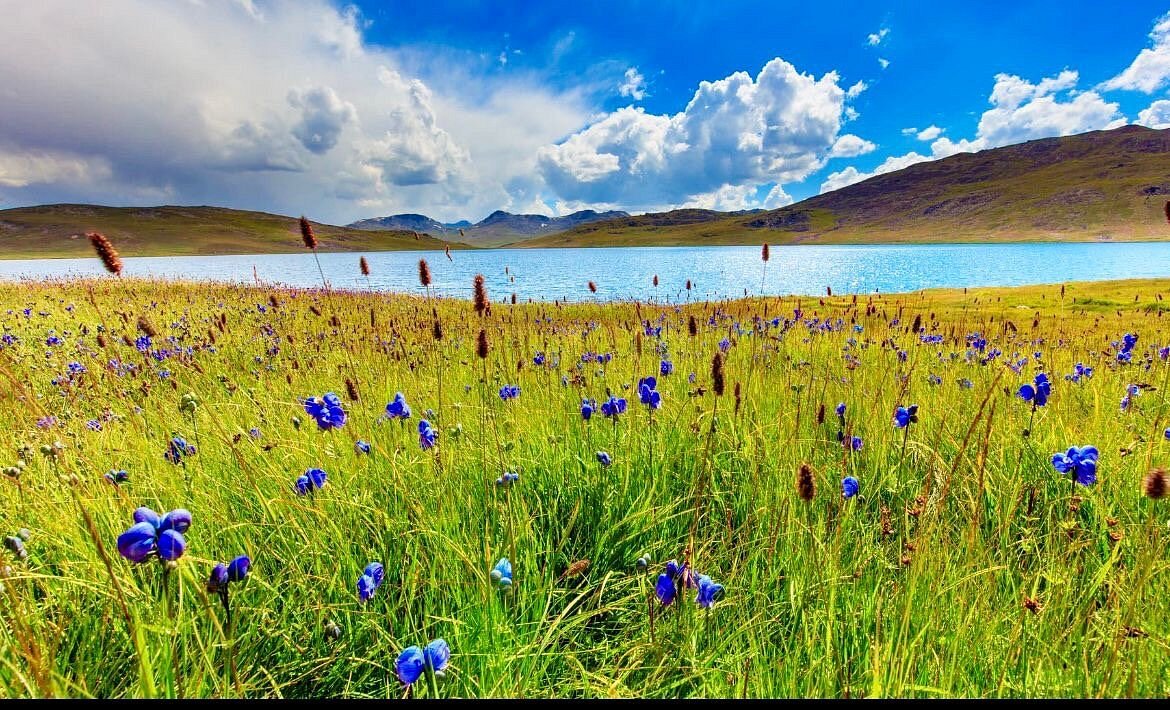
Sheosar Lake, sitting at 4,142 meters, is the crown jewel of Deosai. Its deep blue waters surrounded by soft green hills and snow-dusted mountains create a landscape that seems almost unreal. Camping by Sheosar Lake under a sky full of stars is an experience that stays with travelers for a lifetime.
- Best time to visit: July to September (plateau accessible after snowmelt)
- Key attractions: Sheosar Lake, Bara Pani, wildlife spotting for brown bears and snow leopards
- Access: 2-3 hours drive from Skardu via a jeep track
4. Shigar Valley
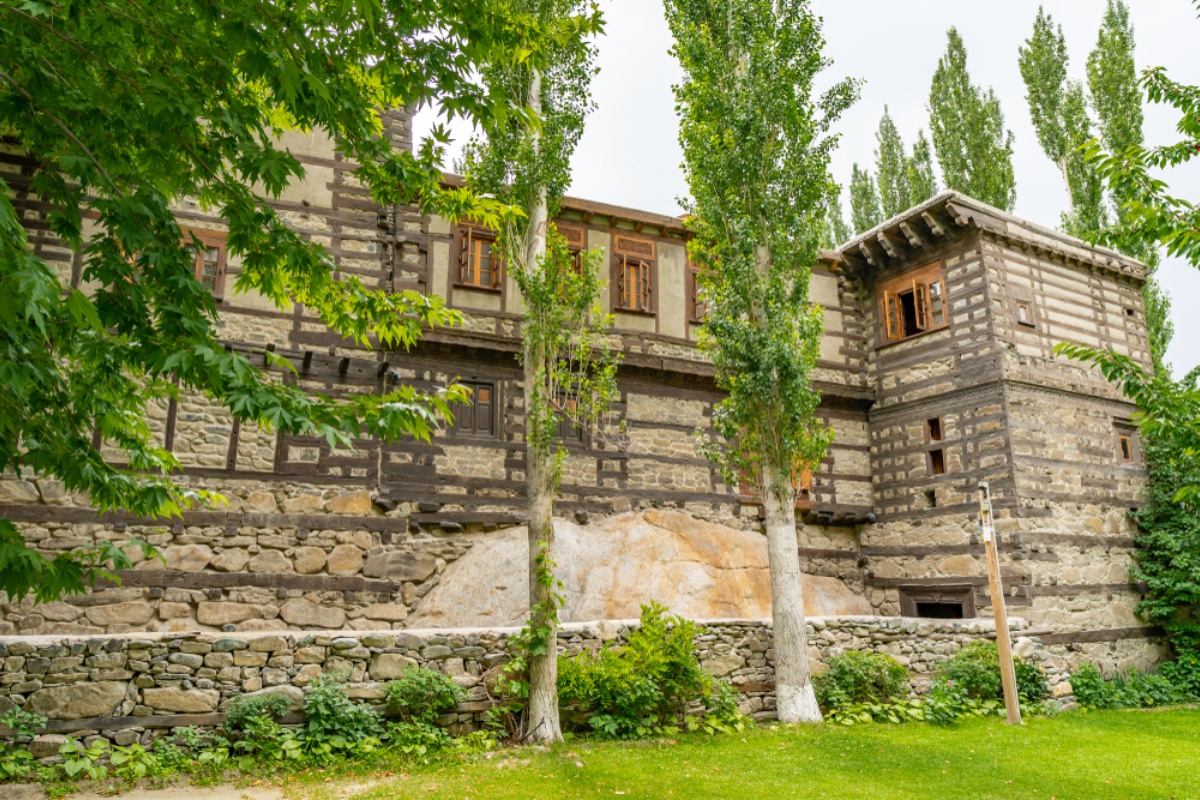
Shigar Valley, located about 30 kilometers northeast of Skardu, is one of Gilgit Baltistan’s most serene and scenic valleys. The Shigar River flows through terraced fields of wheat and potato, orchards of apricot and mulberry, and ancient settlements whose stone houses have changed little over the centuries. The backdrop of towering granite peaks and glaciers makes every turn of the road a postcard-worthy moment.
The centerpiece of Shigar is the magnificent Shigar Fort, a 400-year-old royal palace that has been meticulously restored by the Aga Khan Trust for Culture. Today it operates as a unique heritage hotel, offering guests the rare experience of staying inside a living piece of Baltistani history. The fort’s carved wooden architecture, Mughal-influenced gardens, and stone towers are a testament to the refined culture that once flourished here along the Silk Road.
The Sarfaranga Cold Desert, a stretch of sand dunes rising from the valley floor against a backdrop of glaciers and peaks, is one of the most unusual and photogenic spots in all of Pakistan. Just outside Shigar, the Satpara Lake and the confluence of the Indus and Shigar rivers offer more outstanding natural beauty.
5. Naltar Valley
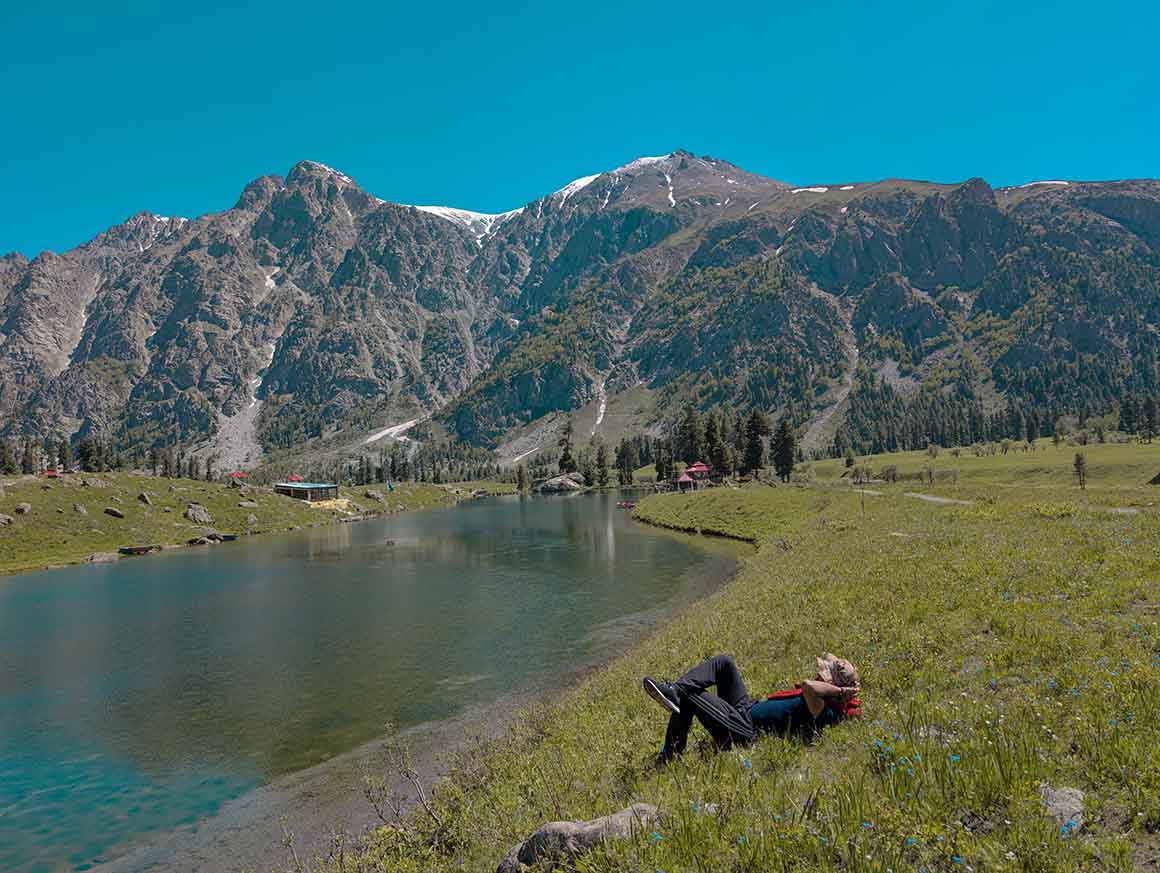
Naltar Valley is one of the most visually striking valleys in Gilgit Baltistan. Located about 40 kilometers from Gilgit city, Naltar is famous for three things: its extraordinary pine and deodar forests, its world-class ski resort, and its breathtaking multi-colored lakes. The valley sits at around 3,000 meters and rises to alpine meadows and glaciers above 4,000 meters.
The Naltar Lakes, including the famous Rainbow Lake (Satrangi Lake), are the valley’s main attraction. These high-altitude glacial lakes display shifting shades of blue, green, and turquoise depending on the time of day and season. The trek up to the lakes passes through thick pine forests and open meadows where ibex and snow leopards are occasionally spotted.
In winter, Naltar hosts Pakistan’s only operational ski resort, making it the country’s premier skiing destination. The Pakistan Air Force operates the resort and it attracts both domestic and international winter sports enthusiasts. Naltar is also the training ground for Pakistan’s national ski team.
- Best time to visit: June to October for trekking; December to February for skiing
- Key attractions: Naltar Lakes (Rainbow Lake), ski resort, pine forests, Pakora Lake
- Access: 2.5 hours from Gilgit by jeep via the Naltar road
6. Baltit Fort and Karimabad, Hunza
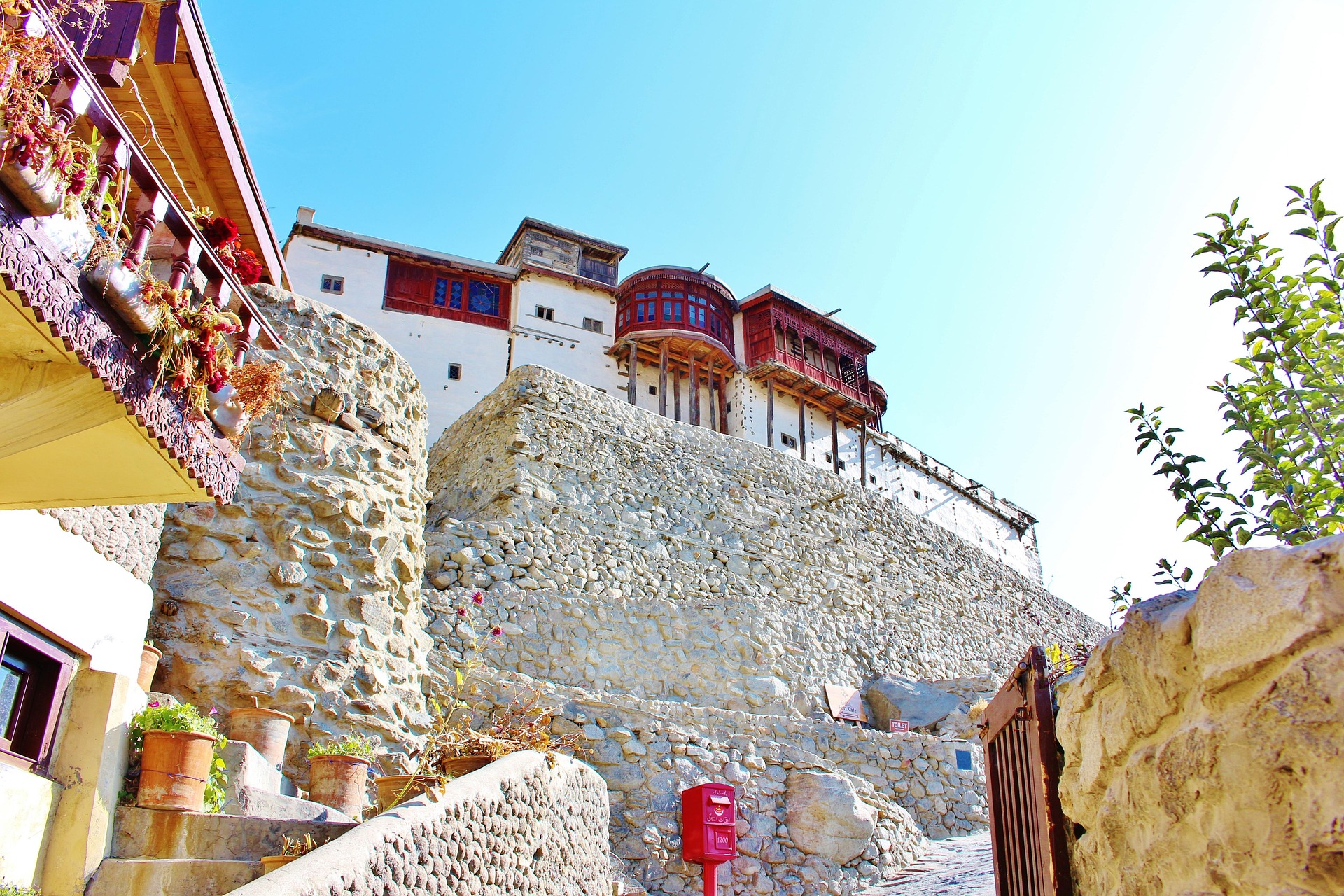
Perched dramatically above the town of Karimabad, Baltit Fort is the most iconic historical monument in Gilgit Baltistan. Built over 700 years ago and modeled in part on Tibetan architectural style, the fort served as the royal residence of the Mir of Hunza for centuries. Its strategic position on a rocky promontory gives it commanding views over the entire Hunza Valley and the Karakoram range beyond.
The fort was restored in the 1990s by the Aga Khan Trust for Culture and is now a UNESCO-recognized heritage site and museum. Inside you will find royal chambers, a throne room, watchtowers, and exhibits detailing the political and cultural history of the Hunza state. The fort’s rooftop offers one of the finest panoramic views available in any mountain region.
Karimabad itself is a charming hilltop town with cobblestone lanes, handicraft shops selling gemstones, embroidery, and dried fruits, and dozens of guesthouses and hotels offering rooms with mountain views. The town is the cultural heart of Hunza and an excellent base for day treks and excursions into the surrounding valleys.
7. Kharpocho Fort, Skardu
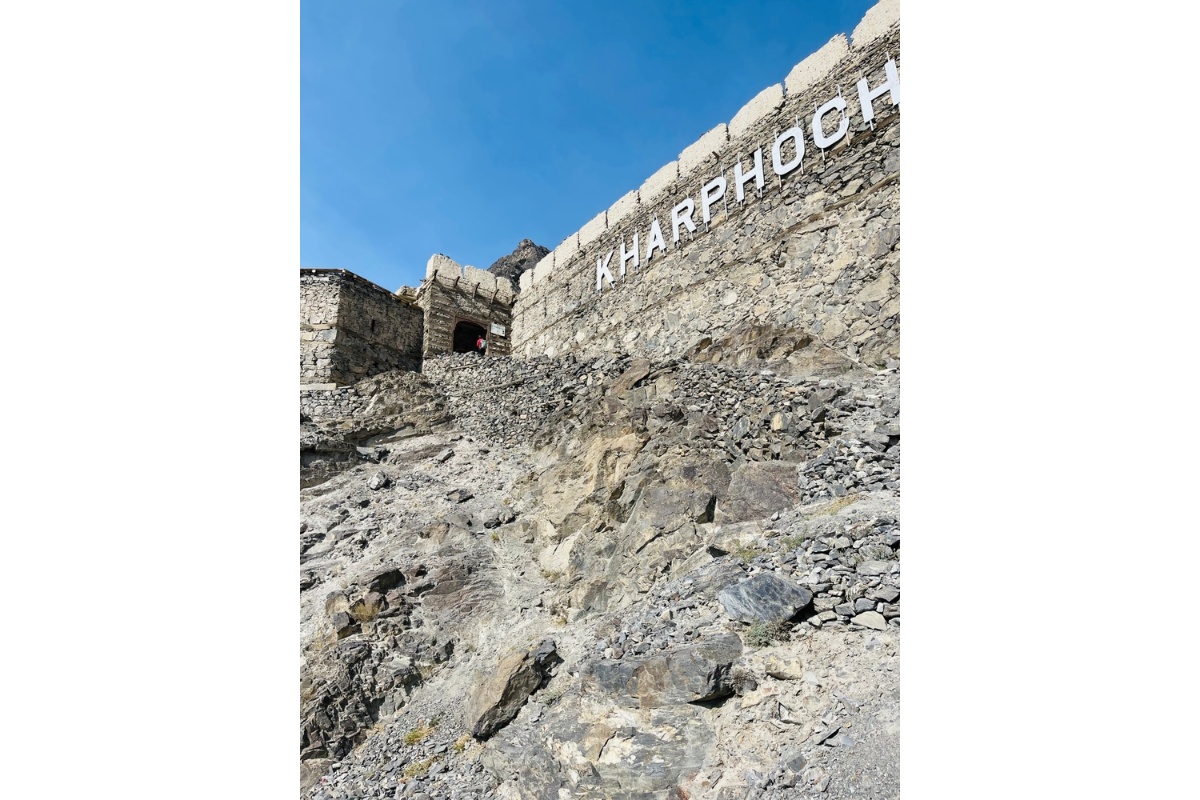
Kharpocho Fort, meaning “King of Forts” in Balti, is a 16th-century fortification perched atop a 100-meter high rocky crag that rises directly above the town of Skardu. Built by Ali Sher Khan Anchan, the legendary ruler of Baltistan who consolidated power across much of the western Karakoram in the early 1600s, the fort served as the seat of Baltistani power for generations.
The climb to the fort takes about 45 minutes on foot and the path winds through ancient carved boulders and rock faces inscribed with Buddhist prayers and petroglyphs that date back over a thousand years. These inscriptions are among the finest examples of ancient rock art in Pakistan and tell the story of the Silk Road travelers, Buddhist monks, and traders who passed through Skardu for millennia.
From the fort’s highest ramparts, the views are extraordinary. The entire Skardu Valley spreads below, the Indus River glitters in the distance, and on clear days the white summits of peaks above 7,000 meters are visible to the east. Sunset from Kharpocho Fort is considered one of the finest in Gilgit Baltistan.
8. Katpana Cold Desert
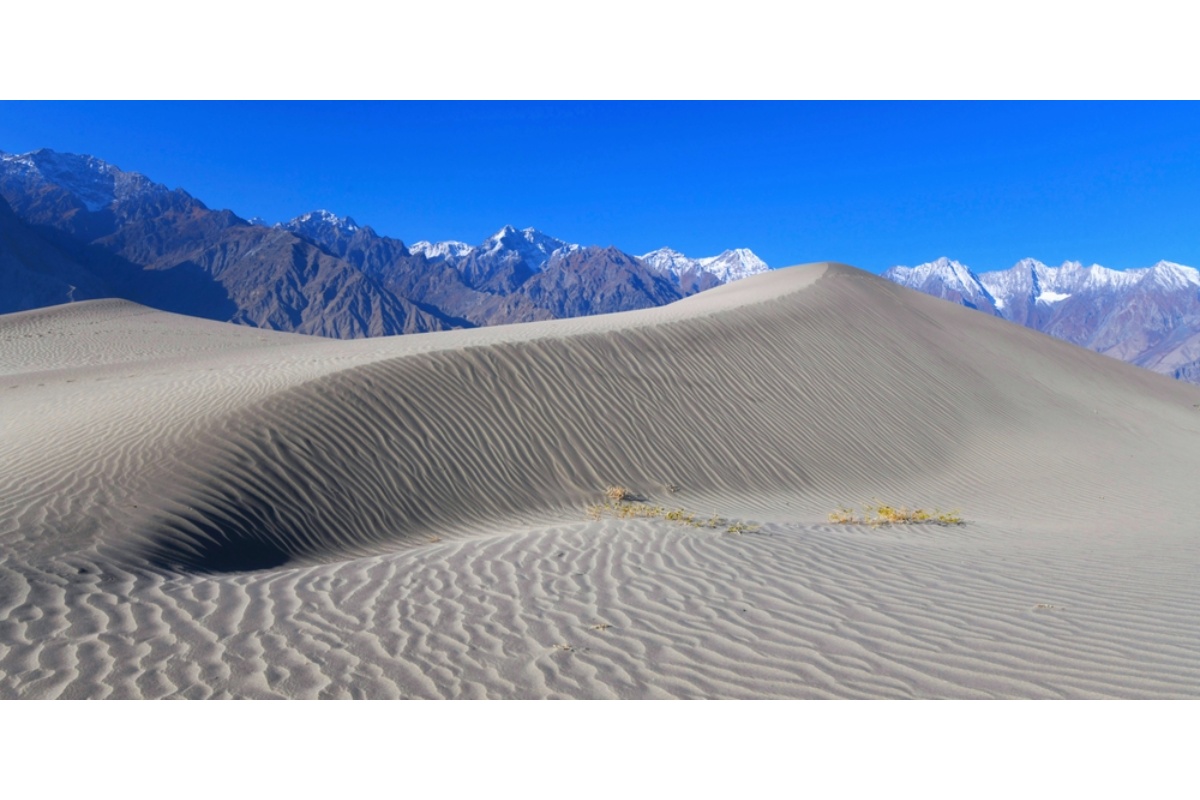
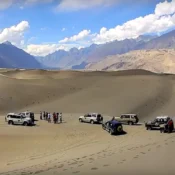
The Katpana Cold Desert is one of the most unusual and fascinating landscapes in Gilgit Baltistan. Located just a few kilometers from Skardu city at an altitude of approximately 2,226 meters, this high-altitude desert is formed by sandy plains and golden dunes that sit in stark contrast to the snow-capped peaks and glaciers surrounding them. The juxtaposition of desert sand dunes and mountain snowfields in a single frame makes Katpana one of the most photographed locations in Pakistan.
Katpana is classified as one of the world’s highest cold deserts, comparable in altitude to parts of the Gobi Desert and the Tibetan Plateau. Despite being a desert, temperatures here can drop well below freezing in winter, and the sand itself is believed to have been deposited by strong winds sweeping down from the Deosai Plateau over thousands of years.
Camel rides are available at Katpana, creating a surreal experience of riding a camel with glaciated peaks towering above you. The desert is most atmospheric at sunrise and sunset when the dunes glow in shades of amber and gold.
9. Hussaini Suspension Bridge, Upper Hunza
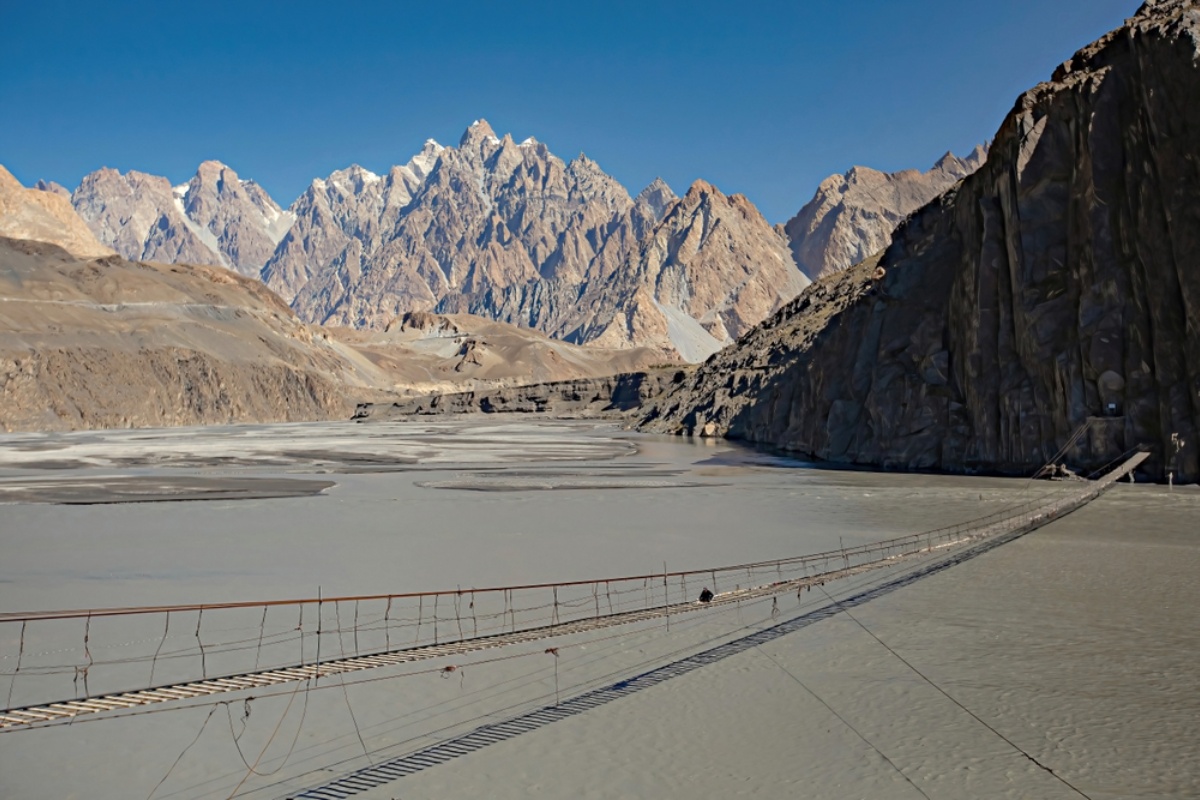
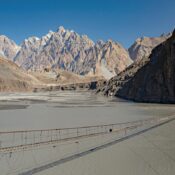
The Hussaini Suspension Bridge in Upper Hunza (Gojal) is frequently described as one of the most dangerous and thrilling bridges in the world. Spanning the Hunza River near the village of Hussaini, this hand-built wooden plank bridge sways dramatically in the mountain breeze while missing planks reveal the churning turquoise river far below. Crossing it requires both nerve and balance.
Despite its precarious appearance, local villagers cross this bridge regularly as it provides a vital link between settlements on either bank of the river. For tourists, crossing the Hussaini Bridge has become an adventure activity in itself, and many visitors come specifically to test their nerves on this swaying structure. The views of the Hunza River gorge and the surrounding peaks from mid-bridge are spectacular.
The village of Hussaini is located in the Gojal region of Upper Hunza, close to the spectacular Passu Cones, the turquoise Attabad Lake, and the high-altitude Batura Glacier. A visit to the bridge can easily be combined with exploring this entire stretch of the Karakoram Highway.
10. Manthoka Waterfall, Kharmang
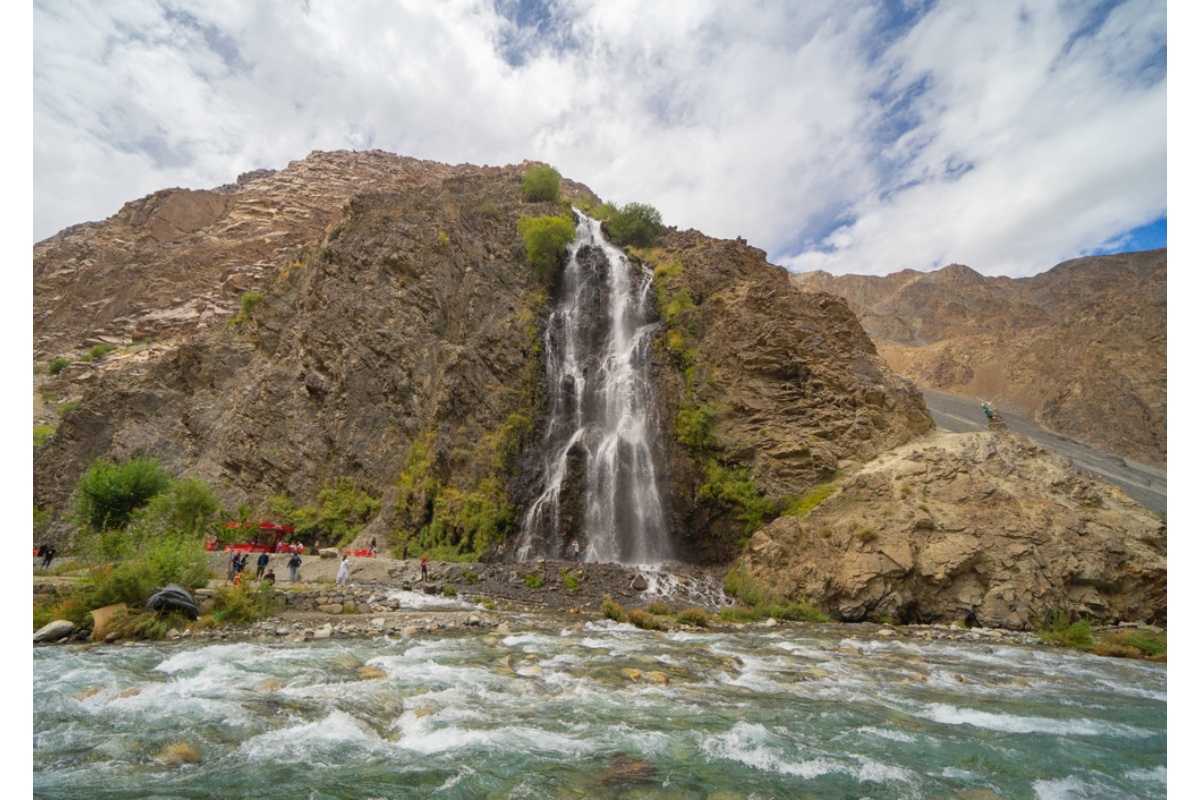
Manthoka Waterfall in Kharmang District is one of the most powerful and visually stunning waterfalls in all of Pakistan. Fed by glacial meltwater from the high Karakoram mountains, the waterfall crashes down a sheer rock face in a series of thundering cascades, sending a permanent mist across the surrounding landscape and creating natural rainbows on sunny days. The roar of the water can be heard from several kilometers away.
Manthoka sits at approximately 2,700 meters above sea level and the area around the falls is lush with wildflowers, shrubs, and birdsong that contrast sharply with the barren mountain terrain nearby. A short walking path leads right to the base of the falls where visitors can feel the spray and marvel at the sheer force of the glacial water.
The waterfall is located near the town of Kharmang, about 80 kilometers from Skardu, and is often included in tour itineraries that combine Skardu, Khaplu, and the Shyok River valley. The drive from Skardu to Manthoka passes through spectacular desert canyon scenery along the Indus and Shyok rivers.
11. Rakaposhi Base Camp
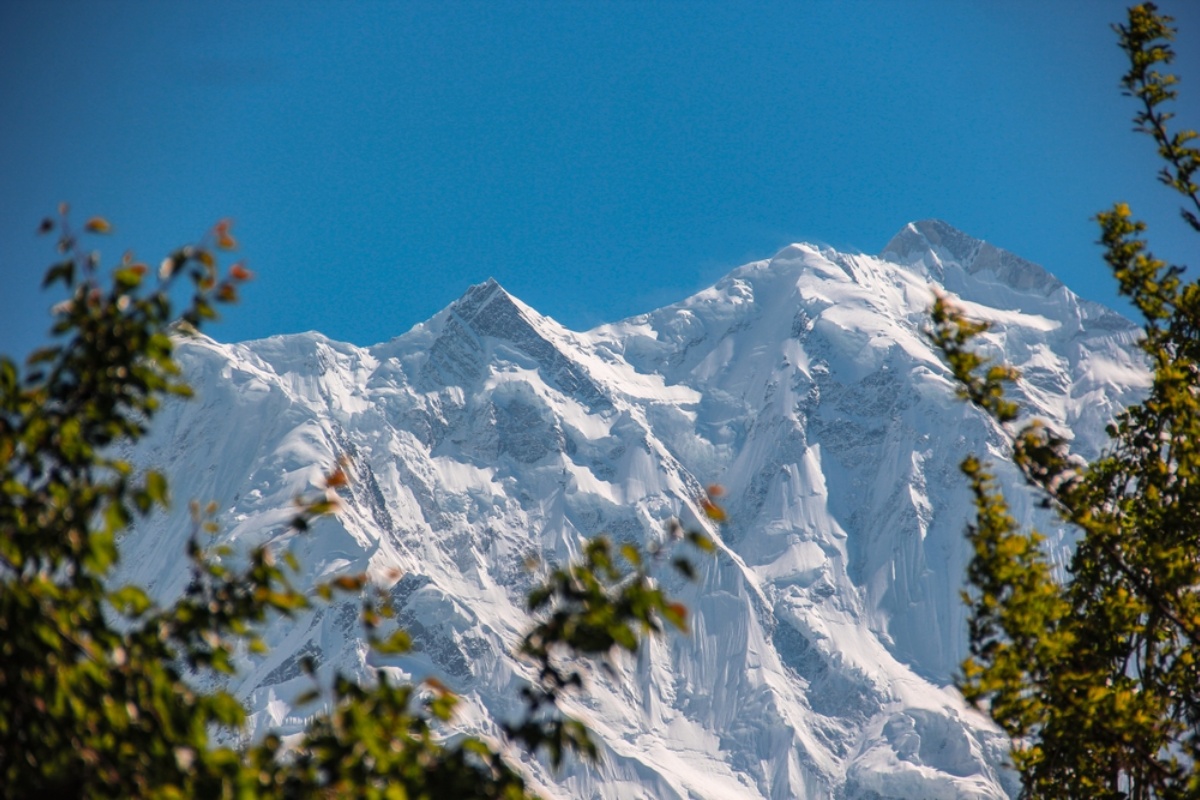
Rakaposhi Base Camp is one of the most rewarding trekking destinations in Gilgit Baltistan. At 7,788 meters, Rakaposhi is the 27th highest mountain in the world and one of the most dramatically shaped peaks in the Karakoram. Its massive bulk rises nearly 6,000 meters above the Hunza Valley floor in one of the greatest vertical rises of any mountain in the world, making it visible from remarkably long distances.
The trek to Rakaposhi Base Camp (approximately 3,500m) takes two to three days from the village of Minapin in Nagar Valley and passes through dense forests, alpine meadows, and moraines before reaching the base camp on the Minapin Glacier. The views of Rakaposhi’s south face from base camp are among the most awe-inspiring in all of mountain Asia.
Even without trekking to base camp, the view of Rakaposhi from the Karakoram Highway near Rakaposhi viewpoint in Diran is one of the iconic images of Pakistan. Many travelers stop here for photographs during the drive between Gilgit and Hunza.
12. Khaplu Fort and Chaqchan Mosque
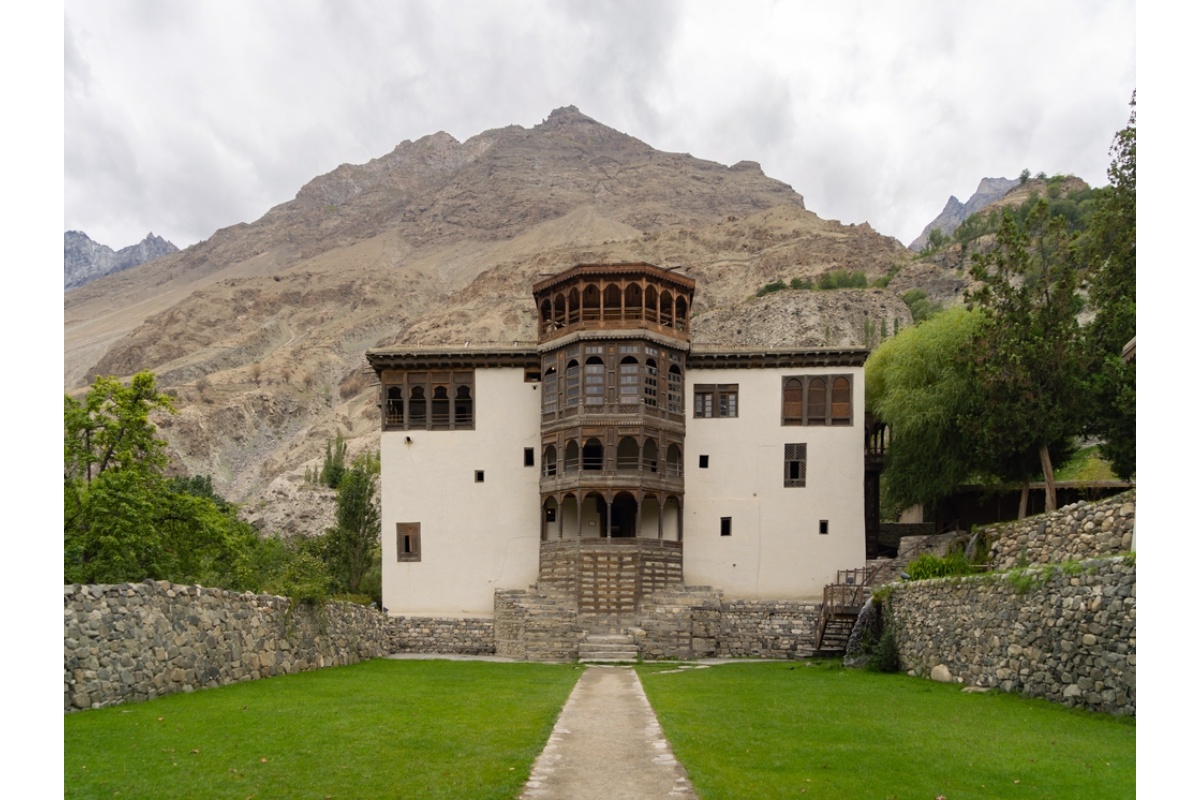
Khaplu is a remote and enchanting valley in Ghanche District, located about 103 kilometers east of Skardu along the Shyok River. Often called the “Switzerland of Baltistan” for its lush meadows and fruit orchards, Khaplu is one of the least-visited yet most rewarding destinations in Gilgit Baltistan. The valley’s calm pace of life, friendly people, and extraordinary scenery make it a favorite among travelers looking for an authentic and unhurried experience.
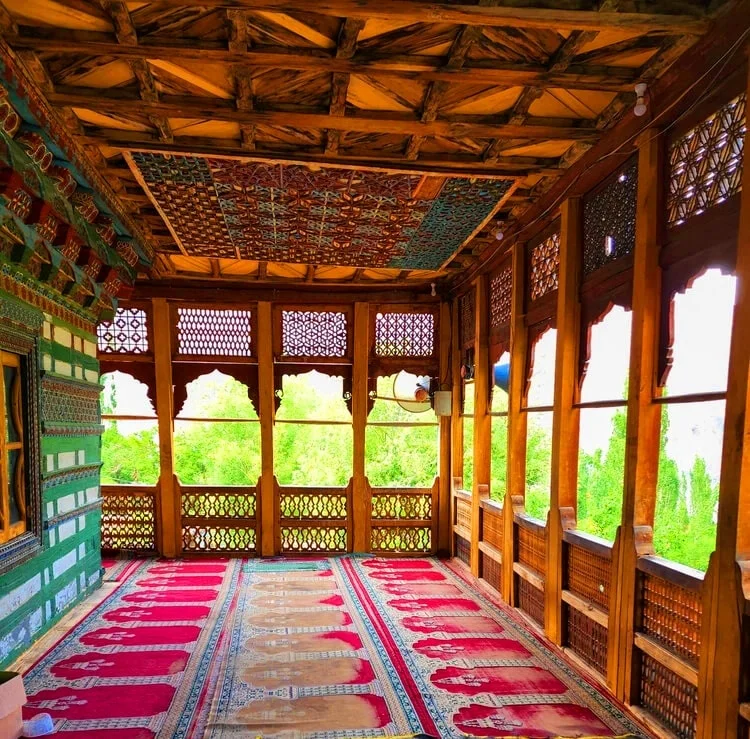
The Khaplu Palace, also known as Khaplu Fort, is a 19th-century royal palace restored by the Aga Khan Trust for Culture and now operating as a heritage hotel. Built on a hillside overlooking the Shyok River valley, the palace features traditional Balti wooden architecture, carved screens, and period furnishings that transport guests back to the era of the Yabgo dynasty that once ruled this remote mountain kingdom.
Nearby, the Chaqchan Mosque is one of the oldest mosques in South Asia, believed to have been built in 1370 AD. Constructed entirely of wood using traditional Balti joinery techniques with no nails, the mosque is an outstanding example of ancient Central Asian Islamic architecture and remains an active place of worship.
13. Rama Meadows, Astore
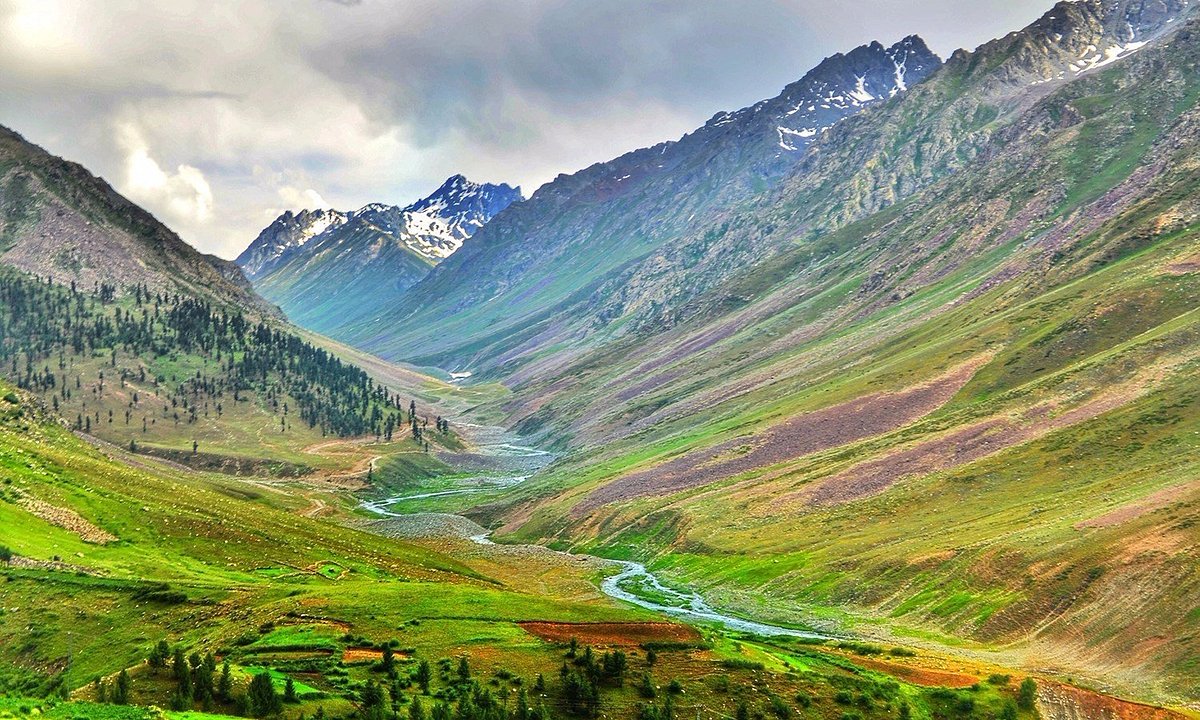
Astore Valley in the southern part of Gilgit Baltistan is dominated by the mighty Nanga Parbat (8,126m), the ninth highest mountain in the world and one of the most deadly. The valley offers some of the most spectacular mountain scenery in Pakistan, particularly from the alpine meadows of Rama (3,500m), where Nanga Parbat’s Rupal Face rises nearly 5,000 meters in a sheer vertical wall, the tallest mountain face in the world.
Rama Meadow is a broad grassy plateau fringed by forests of pine and birch, with a small lake that reflects the surrounding peaks on calm mornings. In summer the meadow is carpeted with wildflowers and grazed by herds of yak and cattle from local villages. The area is a starting point for treks to the Rupal Base Camp and for multi-day crossings to Fairy Meadows on the north side of Nanga Parbat.
- Best time to visit: June to September
- Key attractions: Rama Lake, Nanga Parbat Rupal Face, trekking, wildlife
- Access: About 3.5 hours from Gilgit via Astore town by jeep
Best Time to Visit Gilgit Baltistan
Gilgit Baltistan can be visited year-round but each season offers a very different experience:
- Spring (March to May): Apricot and cherry blossom season in Hunza and Skardu. Warm days, cool nights. One of the most popular times to visit.
- Summer (June to August): Ideal for trekking, K2 base camp expeditions, Deosai, and Naltar. High passes are open. Warmer temperatures in valleys.
- Autumn (September to November): Golden foliage in Hunza, Shigar, and Astore. Clear skies and excellent mountain views. Perfect photography conditions.
- Winter (December to February): Snow closes many mountain roads. Naltar ski resort opens. Skardu and Hunza are accessible but cold. Best for off-season tranquility.
Frequently Asked Questions
How many days do I need to explore Gilgit Baltistan?
A minimum of 7 to 10 days is recommended to cover Hunza and Skardu comfortably. For a more thorough exploration including Deosai, Astore, Naltar, and Khaplu, plan for 14 to 21 days. Rushed visits miss the valley walks, fort visits, and local interactions that make GB so rewarding.
Do I need a permit to visit Gilgit Baltistan?
Pakistani nationals do not need any special permit to visit Gilgit Baltistan. Foreign nationals can travel freely throughout most of GB. However, trekking to certain restricted zones near the Chinese and Indian borders requires a No Objection Certificate (NOC) obtained in advance through the relevant district administration.
Is it safe to travel to Gilgit Baltistan?
Gilgit Baltistan is one of Pakistan’s safest regions for tourists. The local population is known for its exceptional hospitality, and incidents involving tourists are extremely rare. Standard travel precautions apply, including checking weather forecasts, hiring registered guides for remote treks, and carrying adequate travel insurance.
What is the best way to reach Gilgit Baltistan?
There are two main ways to reach Gilgit Baltistan. By air, PIA and private carriers operate regular flights from Islamabad to Gilgit (55 minutes) and Skardu (55 minutes), though flights are weather-dependent. By road, the Karakoram Highway connects Islamabad to Gilgit in approximately 18-20 hours by bus or private vehicle, offering spectacular scenery along the entire route.
Plan Your Gilgit Baltistan Tour with Skardu Hunza Tour
Exploring Gilgit Baltistan on your own can be challenging due to the remoteness of many destinations, seasonal road conditions, and the need for local knowledge. Skardu Hunza Tour offers expertly designed tour packages covering all the major destinations in this guide, from the lush valleys of Hunza and the high desert of Skardu to the wilderness of Deosai and the cultural heritage of Khaplu.
Our experienced local guides, comfortable accommodation options, and well-planned itineraries ensure you experience the very best of Gilgit Baltistan safely and comfortably. Browse our tour packages or contact us to build a customized itinerary tailored to your interests and timeline.